
Kim Kardashian Diet and Fitness
Kim Kardashian is one of the most famous women on the planet, but she doesn’t always get the credit she deserves.

Diet can also refer to the food and drink a person consumes daily and the mental and physical circumstances connected to eating. Nutrition involves more than simply eating a “good” diet it is about nourishment on every level. It involves relationships with family, friends, nature (the environment), our bodies, our community, and the world.
Nutrition is a critical part of health and development. Better nutrition is related to improved infant, child and maternal health, stronger immune systems, safer pregnancy and childbirth, lower risk of non-communicable diseases (such as diabetes and cardiovascular disease), and longevity.
Adults who eat a healthy diet live longer and have a lower risk of obesity, heart disease, type 2 diabetes, and certain cancers. Healthy eating can help people with chronic diseases manage these conditions and avoid complications.
Kim Kardashian is one of the most famous women on the planet, but she doesn’t always get the credit she deserves.

Bulking Diet Plan, which is the process of eating more calories to gain muscle and strength, can be a great thing if you do it right.

Body building is a great way to stay fit and active. It helps you build muscle, which makes you stronger and fitter.
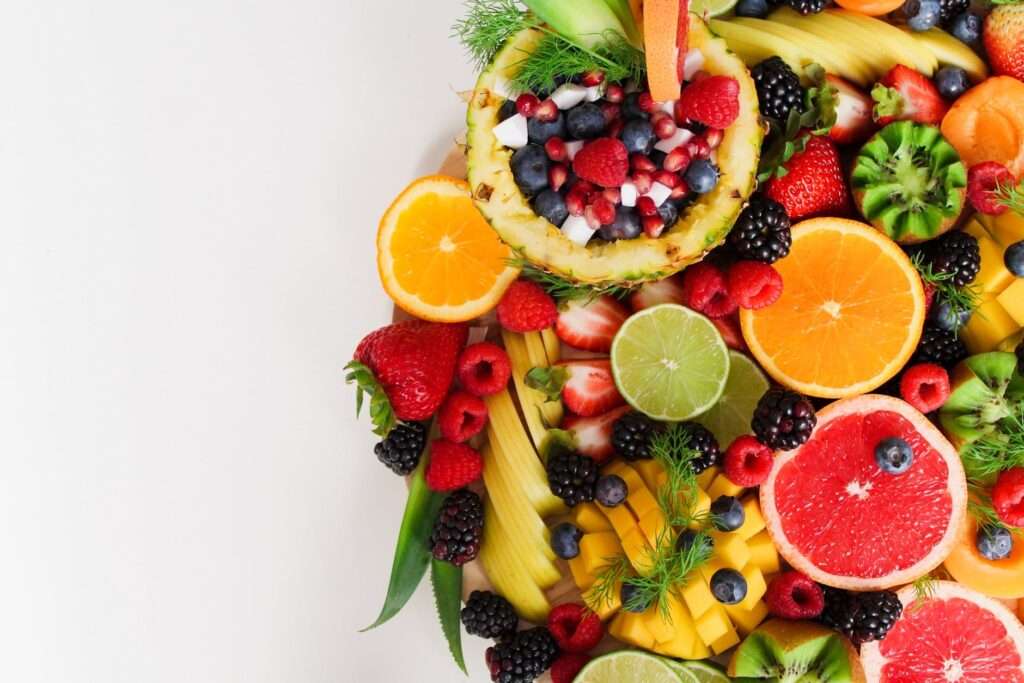
Pre workouts Nutrition are one of the most common ways people get their energy and extra push to workout, By Nadeem Ahmed

Post-workout nutrition is what you eat after exercise. It can help you recover and improve performance, By Nadeem Ahmed

Boost Hair Health with Essential Vitamins, and Know More About Which Vitamin is Good for Hair by Clicking Below Link
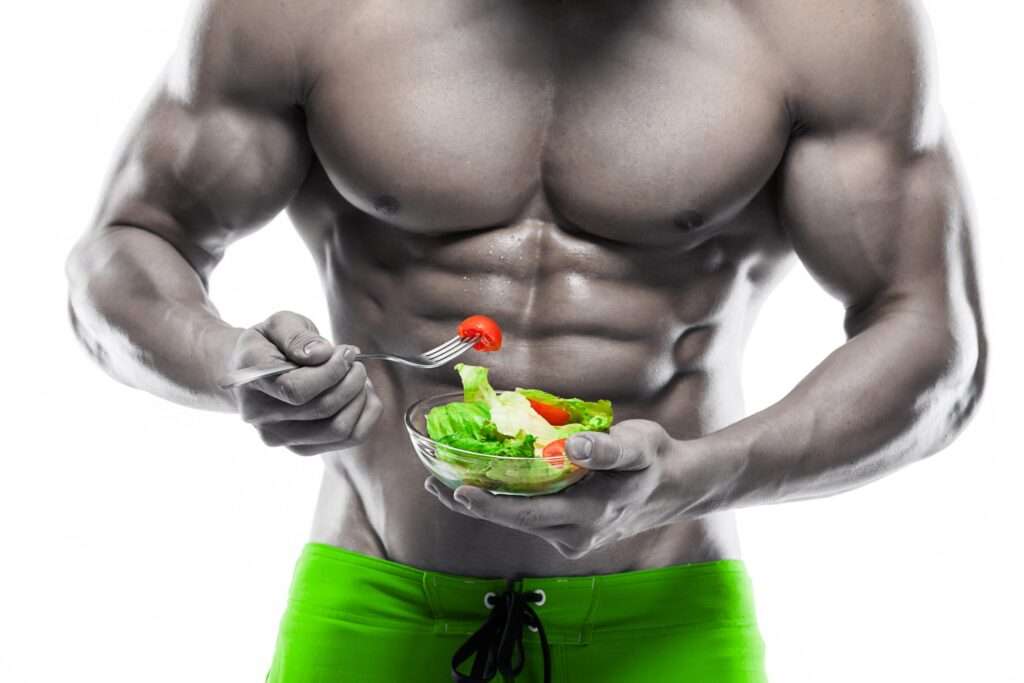
The Best Low Budget Diet Plan For Bodybuilding The Best Low Budget Diet Plan For Bodybuilding One of the first

Most beginners on their weight loss journey confuse Shredded Vs Lean Muscle and think that the game plan involved is similar.
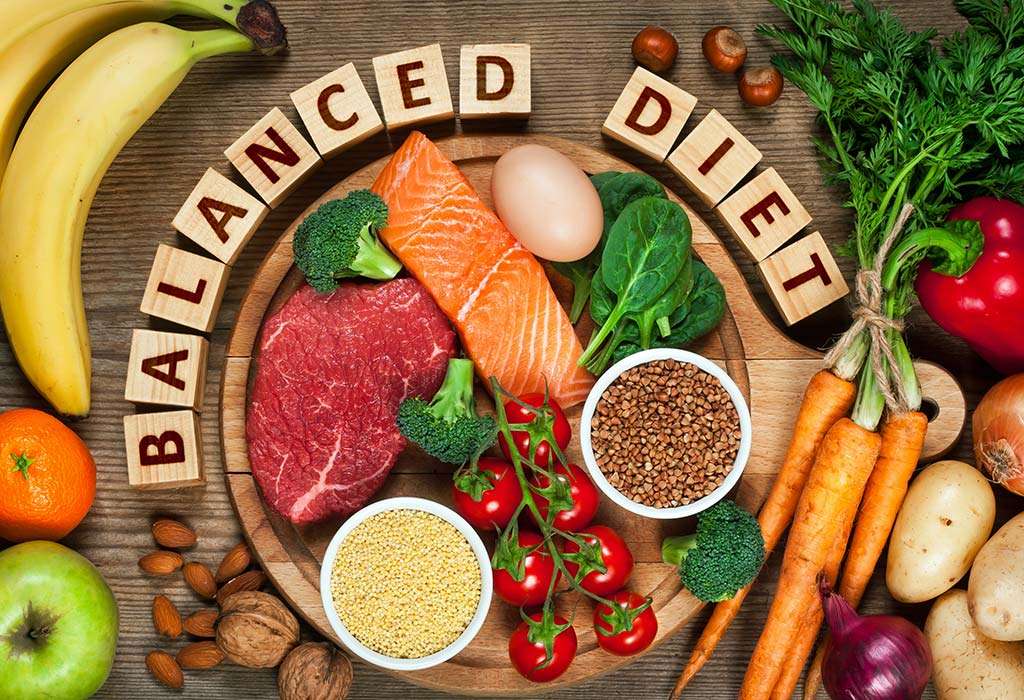
Benefits of balanced diet supplies the nutrients your body needs to work effectively. By Wellness Coach Nadeem Ahmed
12 Basic Tips to Lose Weight. Tips to Lose Weight get start with best possible healthy diet with these. 1. Do